
Anúncios
The automotive industry is undergoing a profound transformation driven by technology and innovation. Digital advancements are reshaping how vehicles are designed, manufactured, and experienced by consumers. As automakers adapt to these changes, the rise of digital automotive is becoming more significant than ever.
From connected vehicles to electric propulsion, advancements in technology are influencing critical aspects of the automotive sector. This transformation not only impacts vehicle performance but also enhances user experience. As consumers increasingly demand smarter and more efficient vehicles, automakers must respond accordingly.
This article explores various dimensions of the digital automotive landscape, examining the technologies that are propelling this evolution. By understanding these trends, stakeholders can better prepare for the future of mobility.
Understanding Digital Automotive Technology
Digital automotive technology encompasses a range of innovations that enhance vehicle operation, safety, and connectivity. These technologies are redefining how consumers interact with their cars. The foundation of the digital automotive revolution lies in advanced engineering and software development.
Among the key components are advanced driver-assistance systems (ADAS), artificial intelligence, and connected car technologies. These innovations work together to create a seamless driving experience. Safety features enabled through technology provide increased confidence for drivers.
Anúncios
Moreover, the integration of software with hardware is allowing vehicles to improve over time through updates. This ‘software-defined vehicle’ paradigm paves the way for new functionalities and services. Thus, consumers can enjoy features that evolve without needing to purchase new hardware.
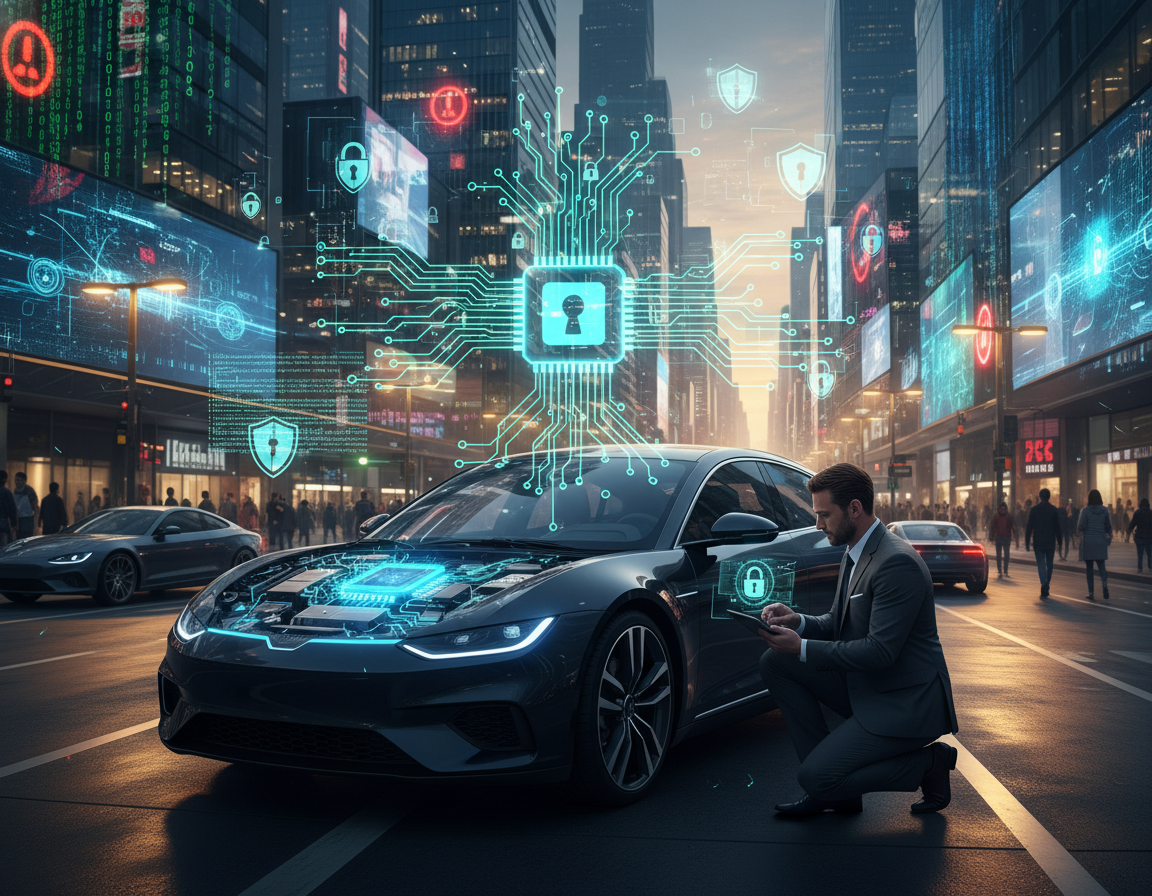
It is also essential to discuss the importance of cybersecurity in this context. With increasing connectivity comes the risk of cyber threats. Automakers are now prioritizing robust security measures to protect consumer data and vehicle integrity.
In summary, the digital automotive landscape is diverse and complex. Understanding these technologies is crucial for consumers and industry professionals alike. As innovations continue to emerge, the future holds exciting possibilities for digital automotive development.
Anúncios
The Role of Electric Vehicles
Electric vehicles (EVs) represent one of the most significant shifts in automotive technology. The rise of EVs plays a crucial role in the digital automotive landscape. Consumers are increasingly opting for electric cars due to environmental concerns and technological advancements.
With improved battery technology, EVs are now offering extended range and reduced charging times. This evolution encourages wider adoption among consumers. Moreover, the decreasing costs of EV production are making these vehicles more accessible to the average buyer.
Additionally, governmental initiatives and incentives are further driving the growth of electric vehicles. Many regions, including the United States, aim to increase the adoption of EVs through subsidies and tax benefits. These efforts align with broader goals of reducing greenhouse gas emissions.
The integration of smart technologies in EVs also enhances their appeal. Features like regenerative braking and intelligent energy management systems optimize the driving experience. As a result, drivers can enjoy both performance and efficiency.
In conclusion, the rise of electric vehicles marks a pivotal moment in automotive history. As technology continues to advance, EVs will likely dominate the automotive market, transforming consumer expectations.
Connected Cars and the Internet of Things (IoT)
Connected cars represent a significant advancement in automotive technology, bridging the gap between vehicles and the Internet of Things (IoT). This connection enables real-time data exchange, improving safety and convenience for drivers.
Through connected technologies, vehicles can communicate with one another and infrastructure, allowing for better traffic management. This communication reduces congestion and enhances the overall driving experience. Ultimately, this data-sharing aspect paves the way for smarter transportation systems.
Moreover, connected cars offer a range of services to enhance user experience. Features such as remote vehicle monitoring, navigation assistance, and personalized driving information are increasingly popular. Users appreciate being able to control vehicle settings directly from their smartphones.
Data analytics also play a pivotal role in connected vehicles. With vast amounts of data collected, automakers are better equipped to understand consumer behavior and preferences. This information leads to informed vehicle design and service offerings.
In summary, connected cars are revolutionizing mobility by improving safety, convenience, and personalization. As these technologies continue to mature, their impact on the automotive industry will deepen.
Autonomous Driving Technology
Autonomous driving technology represents a groundbreaking shift in the automotive sector, pushing the boundaries of traditional driving. Innovations in artificial intelligence and sensor technology are making self-driving cars a reality. This advent promises to change how individuals view car ownership and transportation altogether.
Numerous automakers are actively investing in research and development for autonomous vehicles. Testing is currently underway in various conditions, ranging from urban environments to highways. As these technologies evolve, safety and regulatory concerns are at the forefront of discussions.
The potential benefits of autonomous driving extend beyond convenience. Reduced accidents and improved traffic flow lead to safer roads for everyone. Furthermore, the ability to use travel time for other activities could significantly improve quality of life for individuals.
However, achieving full autonomy remains a complex challenge. Ethical dilemmas, technological constraints, and consumer acceptance all play a role in determining the pace of adoption. Despite these challenges, the journey toward autonomy is well underway.
In conclusion, autonomous driving technology is on the cutting edge of the digital automotive revolution. Its successful implementation could redefine transportation, offering significant societal benefits.
Advanced Driver-Assistance Systems (ADAS)
Advanced Driver-Assistance Systems (ADAS) signify a crucial development in automotive technology, enhancing vehicle safety and convenience. These systems utilize a blend of sensors, cameras, and algorithms to assist drivers actively. By providing real-time support, ADAS reacts to road conditions and potential hazards.
Common features of ADAS include lane-keeping assistance, adaptive cruise control, and automatic emergency braking. Together, these technologies contribute to a safer driving experience. As a result, the integration of ADAS has led to a decline in accidents attributed to human error.
Moreover, the proliferation of ADAS is paving the way for higher levels of automation. These systems serve as precursors to fully autonomous driving. As consumers become accustomed to advanced features, they will likely demand even more technological integration.
In addition, automakers are continuously improving ADAS systems through software updates. This factor enhances the technology over time, ensuring vehicles remain current and effective. Thus, the long-term benefits of ADAS can grow considerably.
In essence, ADAS represents a significant enhancement in vehicle safety and performance. As these systems evolve, they will likely become standard features in new vehicles.
Impact of Digital Automotive on the Consumer Experience
The rise of digital automotive is reshaping the consumer experience in numerous ways, creating new expectations. From tech-savvy features to enhanced personalization, modern vehicles are increasingly catering to consumer needs. This metamorhosphere in experience reflects broader societal shifts toward digital engagement.
One of the most notable impacts is the customization options available in modern vehicles. Consumers can now tailor their driving experiences, adjusting everything from entertainment systems to seat configurations. Enhanced personalization through technology has become a vital selling point for automakers.
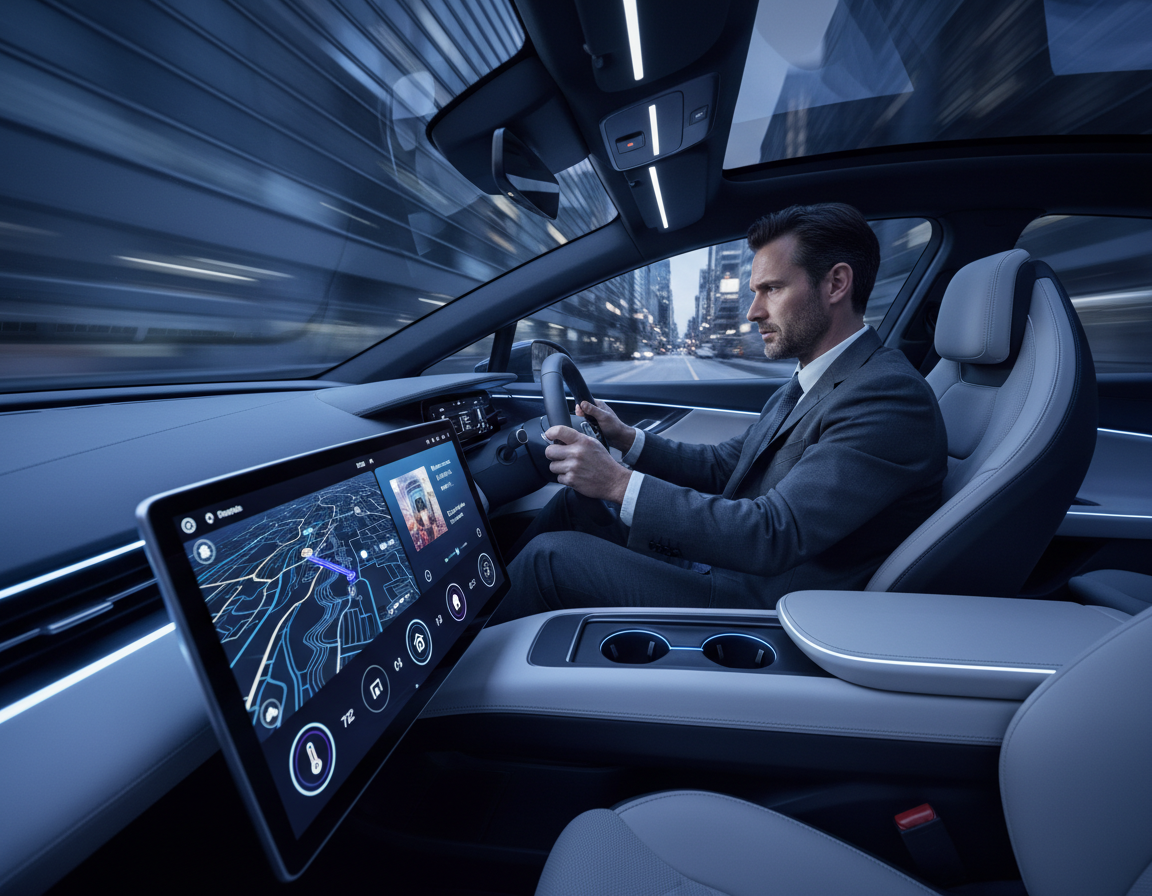
Furthermore, seamless integration of smartphones with vehicle systems allows for easy access to apps and services. Drivers can navigate, stream music, or manage their calendars directly from their dashboard. This convenience adds significant value to the driving experience.
Additionally, digital automotive solutions are improving transparency in services. For instance, apps can notify users of maintenance needs or recalls. This capability enhances trust between consumers and manufacturers, fostering brand loyalty.
Ultimately, the impact of digital automotive on consumer experience is profound. As the industry continues to evolve, consumers can expect even more innovations that cater to their lifestyles.
Conclusion
The rise of digital automotive signifies a transformative era full of opportunities and challenges. As technology reshapes the automotive landscape, stakeholders must adapt to changing consumer demands and expectations. Innovations such as electric vehicles, connected cars, and autonomous driving are now standard buzzwords in the industry.
Additionally, the incorporation of advanced driver-assistance systems (ADAS) enhances safety, while personalized experiences redefine consumer interactions with vehicles. Together, these advancements signal a future where mobility is smarter, safer, and more efficient.
To fully harness the potential of digital automotive technologies, collaboration among automakers, tech companies, and regulators is essential. This collaboration will foster innovation while ensuring safety and security for all road users.
As we embrace this exciting era of digital transformation in automotive, the possibilities are limitless. The industry stands poised to redefine our understanding of transportation and mobility.
In summary, the digital automotive revolution is not just changing vehicles but the entire mobility ecosystem. The future promises exciting developments that will enhance how we experience driving.

 English