
Anúncios
The automotive industry has significantly evolved over recent decades, primarily due to advancements in technology. Innovations have reshaped every aspect of vehicle design, manufacturing, and operation. These changes have contributed to improved efficiency, safety, and user experience.
As technology continues to advance at a rapid pace, it inevitably influences consumer preferences and market dynamics. The integration of smart technologies has transformed the driving experience, ushering in a new era of mobility. From electric vehicles to advanced driver-assistance systems, the automotive sector is witnessing an unprecedented transformation.
This article explores the profound impact that technology has on automotive production, design, and consumer interaction. Through the examination of various technological trends, we will uncover how these developments are reshaping the automotive landscape.
Advancements in Electric Vehicles
Electric vehicles (EVs) are spotlighted undoubtedly as one of the most significant technological advancements in recent years. Major automobile manufacturers are investing heavily in developing EVs to meet rising environmental concerns. This shift is revolutionizing the market, giving consumers more eco-friendly options.
Battery technology represents a pivotal focus within the electric vehicle sector. Enhanced performance and reduced costs have made EVs increasingly accessible to the average consumer. This improvement continues to drive adoption among tech-savvy motorists.
Anúncios
Government regulations and incentives play a crucial role in promoting electric vehicle sales. Mandates on emissions and the availability of tax credits encourage consumers to consider electric options. Prosperous collaborations between governments and manufacturers further enhance this drive.
Moreover, charging infrastructure is a fundamental aspect of the EV ecosystem. The expansion of charging networks across the United States enhances electric vehicle usability. This progress directly influences consumer perceptions positively.
As technologies evolve, the performance of electric vehicles continues to improve. Enhanced range and charging speed are making EVs a suitable choice for many drivers. Their growing popularity indicates a sustainable future for the automotive industry.
Anúncios
Connectivity and Smart Features
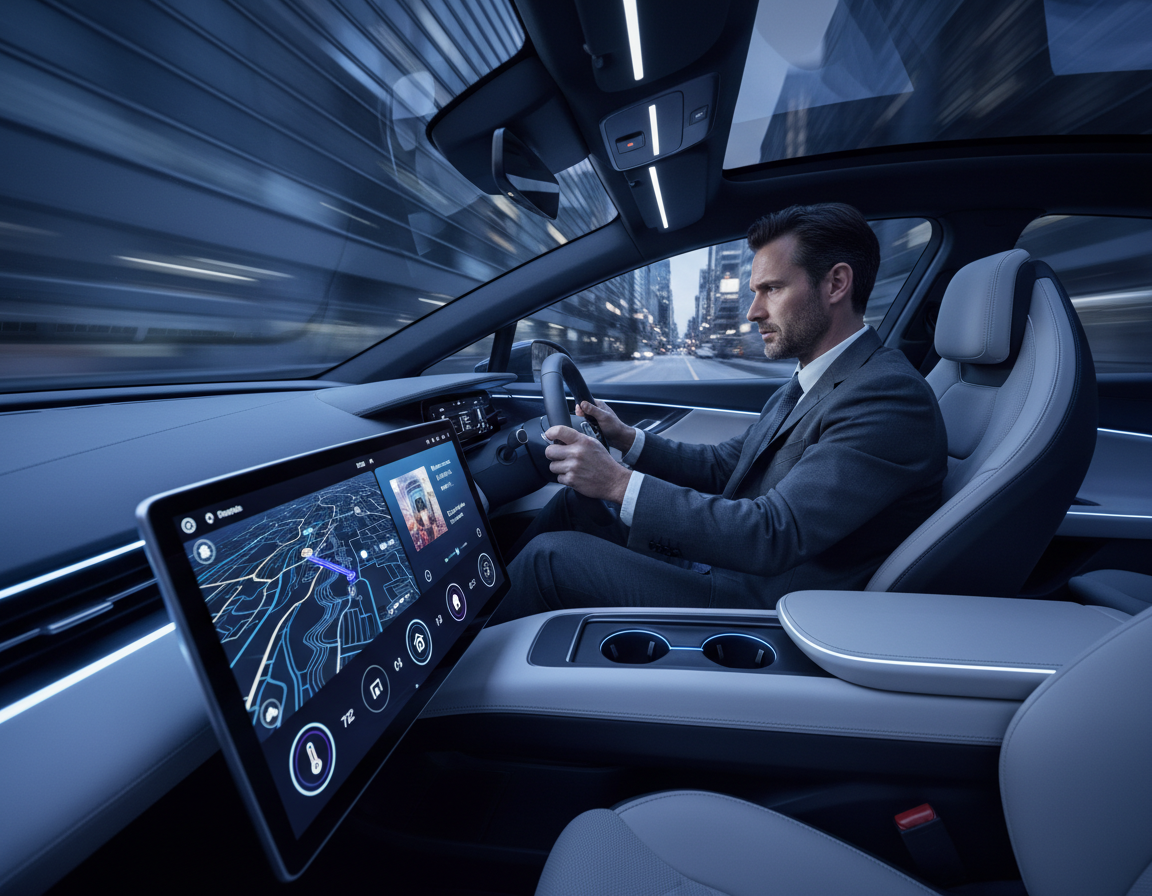
Connectivity has become a hallmark of modern automotive technology. Vehicles are now equipped with advanced infotainment systems that enhance user experience significantly. These systems provide seamless integration with smartphones and apps, catering to tech-savvy consumers.
Smart features, such as adaptive cruise control and lane-keeping assist, represent the future of driving convenience. These advancements enhance safety and mitigate risks associated with manual driving. As a result, consumers find driving less stressful and more enjoyable.
Data privacy remains a crucial concern in this interconnected age. Automobile manufacturers are challenged to protect user data while providing innovative features. Establishing trust becomes vital for maintaining consumer loyalty in this digital ecosystem.
Telematics and vehicle-to-infrastructure communication emerged as essential components of smart vehicles. These systems allow vehicles to communicate with surrounding infrastructure for optimized routing and enhanced safety. This technology showcases the potential of smarter roadways.
Overall, connectivity and smart technologies not only improve the driving experience but also shape new expectations among consumers. Modern vehicles that embrace these innovations stand out in an increasingly competitive market.
Autonomous Driving Technology
Autonomous vehicles represent one of the most transformative trends in the automotive industry. Major companies, such as Tesla and Waymo, are spearheading initiatives to create fully self-driving cars. The potential of this technology promises significant changes in how we commute.
Safety is a primary concern driving the development of autonomous technology. Advanced sensors and algorithms aim to reduce accidents caused by human error. Pioneers in this field are focusing on gaining public trust through rigorous testing and communication.
Legal implications surrounding autonomous vehicles add complexity to their deployment. Policymakers face a challenge in developing regulations that ensure safety without stifling innovation. This evolving landscape necessitates collaboration between automakers and lawmakers.
Consumer acceptance of autonomous driving is essential for its success. Public perception often reflects concerns regarding safety and reliability. Education and transparency from manufacturers will play significant roles in shaping these perceptions.
In conclusion, autonomous driving technology has the potential to reshape urban mobility entirely. With continued advancements, it influences societal infrastructure, urban planning, and environmental sustainability, paving the way for a new era of transportation.
Impact on Manufacturing Processes
The automotive manufacturing process has witnessed tremendous changes, thanks to technological innovations. Automation and robotics have streamlined production lines, leading to enhanced efficiency and reduced costs. These improvements allow manufacturers to meet demand while maintaining quality.
3D printing is another fascinating technological advancement in automotive manufacturing. This process enables rapid prototyping and customization of components. Ultimately, manufacturers can experiment freely and develop innovative designs more quickly.
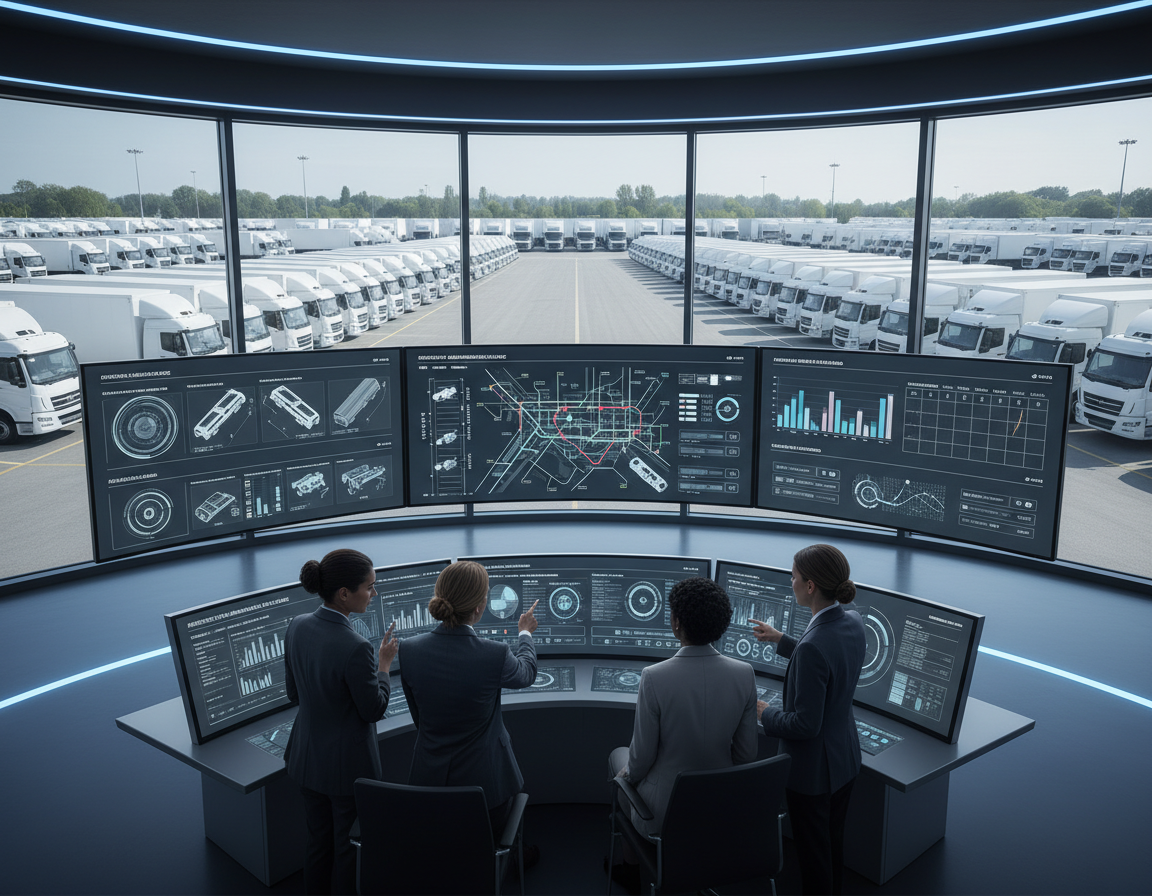
Smart factories equipped with IoT devices allow real-time monitoring and predictive maintenance. The integration of AI enables manufacturers to optimize production schedules and reduce downtime. This shift towards intelligent manufacturing enhances productivity significantly.
Supply chain management has also benefited from technology. Advanced analytics and tracking systems allow for better visibility and efficiency in logistics. Such improvements ensure that manufacturers can adapt promptly to market fluctuations.
These advancements collectively revolutionize how vehicles are designed and assembled. Increased efficiency not only drives down costs for manufacturers but also leads to better-built vehicles for consumers. These developments have lasting implications for the industry’s future.
Consumer Trends and Preferences
With technology play a vital role in shaping consumer preferences within the automotive market. Today’s consumers are more informed than ever thanks to abundant online resources. Access to information influences their purchasing decisions and expectations.
Millennials and Generation Z consumers prioritize technology integration in vehicles. They seek features such as smartphone connectivity, advanced safety options, and in-car entertainment. The automotive industry has quickly adjusted to cater to these preferences.
Additionally, sustainability is an increasingly important factor for many consumers. Eco-conscious millennials often strive to reduce their carbon footprint, driving demand for electric and hybrid vehicles. These trends challenge manufacturers to innovate continually.
Moreover, the rise of ride-sharing services has transformed transportation needs. Consumers are evaluating car ownership differently, considering alternatives that may be more cost-effective. This shift prompts manufacturers to rethink traditional business models.
In summary, understanding consumer trends helps automakers to develop products that better align with market demands. Delivering innovative and sustainable vehicles ensures they remain competitive in a dynamic landscape.
Future Trends in Automotive Technology
The automotive technology landscape remains in constant evolution, with exciting new developments emerging regularly. Autonomous vehicles and electric mobility are only the beginning of a much larger trend toward innovative transportation solutions. Consumers can anticipate continued advancements across various aspects of the industry.
Artificial intelligence and machine learning will further integrate into automotive technologies. These developments can enhance vehicle performance and user experience, making cars smarter and more efficient. Automakers are continuously exploring ways to leverage these capabilities.
Shared mobility solutions are gaining traction as urban areas become more congested. Innovations in mobility-as-a-service (MaaS) allow consumers to access transportation on-demand. The shift represents a change in how communities think about transportation options.
Moreover, sustainability will remain a driving factor for the automotive industry in the coming years. Manufacturers will seek to reduce emissions and improve overall efficiency as environmental concerns become paramount. These goals will influence both product development and corporate strategies.
In conclusion, the intersection of technology and consumer needs will shape the future of the automotive industry. Innovation and responsiveness will define success in the evolving automotive landscape.
Conclusion
The impact of technology on the automotive industry is profound and multifaceted. From electric vehicles to smart features, connectivity, and autonomous driving innovation, technology influences every facet of automotive operations. Manufacturers and consumers alike must adapt to this rapidly evolving landscape.
As advancements continue to emerge, the long-term implications will shape how we manufacture, sell, and experience vehicles. Sustainability and smart technology will become central themes driving industry innovations. The future of transportation will be exciting, dynamic, and influenced predominantly by technology.
Ultimately, ongoing dialogue between manufacturers, policymakers, and consumers will help create a well-rounded automotive ecosystem. Embracing these technological advancements presents a path toward a safer, more efficient, and sustainable automotive future.

 English