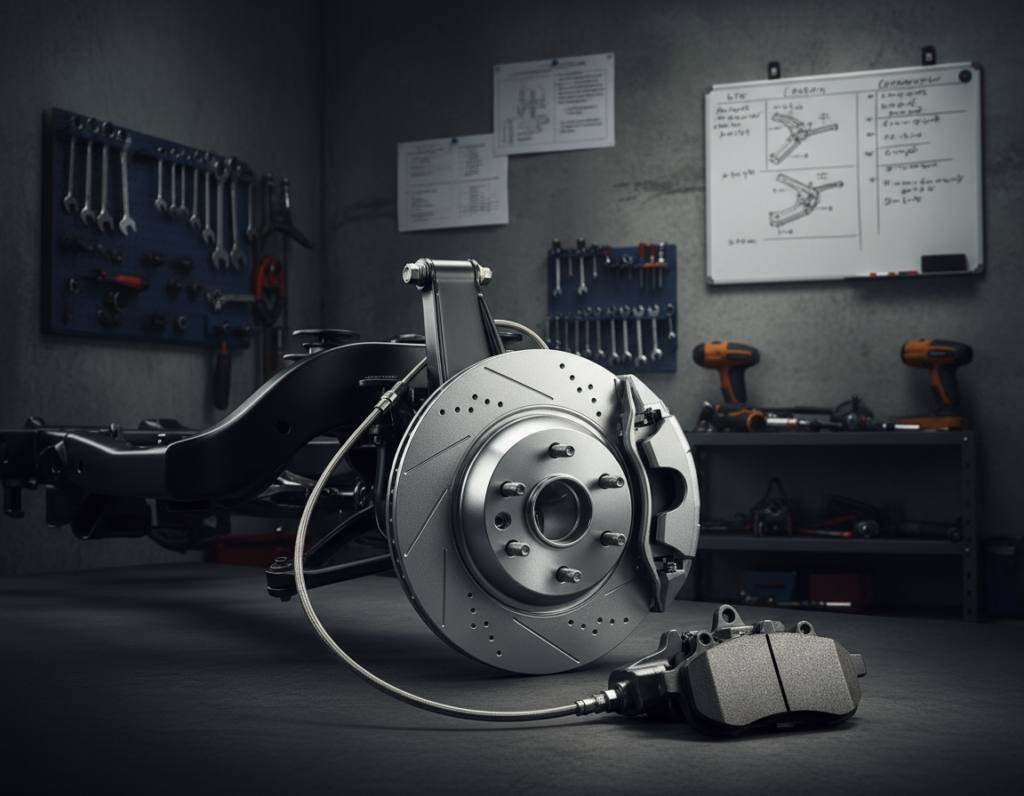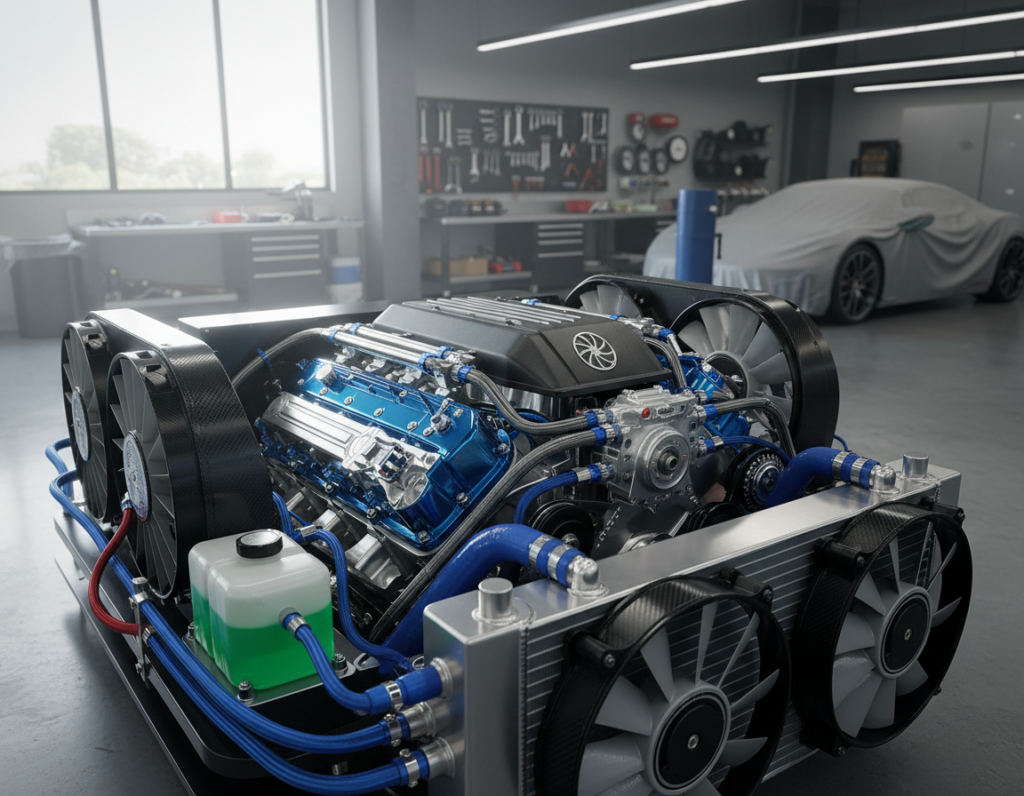
This introduction maps how makers move from requirements to a validated system. MIT framing shows today’s competitions include ICE, HEV, and BEV approaches, while TTI notes that evs now span cars, vans, trucks, and buses.
In practical terms, “electric vehicle architecture” means the high-level layout of energy storage, power conversion, distribution, and control across a vehicle. This guide will explain how OEMs translate specs into safe, cost-effective systems and how that process differs from combustion-era assumptions.
Readers will see the major building blocks: battery pack, inverter and motor drive, charging systems, and low-voltage electronics. We will link each design choice to outcomes like range, charge time, and serviceability.
Expect clear, sourced information and real production examples rather than hypotheticals. This intro targets engineers, product leaders, and curious buyers in the U.S. and sets the stage for deeper technical chapters.
Why electric vehicle architecture is redefining how vehicles are engineered
Today’s drivetrain choices reshape every design decision, from chassis packaging to thermal systems. Different powerplants force distinct system layouts. That drives tradeoffs in cabin space, crash structure, and cooling.
Architectural competition in today’s market: ICE vs HEV vs BEV
At a systems level, an internal combustion package needs an engine, fuel tank, and exhaust routing. Hybrids combine those elements with batteries and an e-drive, adding complexity and duplicated subsystems. BEV designs consolidate propulsion around a battery and inverter, changing the baseline for floor height and storage.
How powerplant choice cascades into packaging, performance, and cost
Historical cycles repeat: Gorbea noted late-1800s debates where power source decided winners. Today, manufacturers weigh types of electrification against infrastructure and user expectations.
- Packaging: pack placement alters crash paths and cabin layout.
- Performance: torque delivery and regenerative braking change drive feel.
- Cost & complexity: hybrids often carry duplicate systems; BEV costs center on cells and power electronics.
Multiple architectures can coexist as the market balances policy, manufacturing, and consumer priorities.
How OEMs design an EV from requirements to a finished system
The program clock starts as customer use cases are turned into quantifiable targets for range, power, charging time, and hazardous-voltage safety.
Translating needs into engineering targets
Marketing and product teams define use cases: commute, long-distance, fleet duty, or towing. Each case maps to numeric goals for range, peak power, charge time, and safety margins.
Targets vary by segment: small crossovers prioritize range and price; trucks favor power and towing load. Those targets drive cell count, pack chemistry, and thermal limits.
Trade studies that lock architecture early
Engineers run trade studies to decide motors count and placement, battery chemistry and pack voltage, and charger level and standard. A choice between 400V and 800V affects conductor sizing and cooling.
Requirements flow-down and documentation
Targets become subsystem specs for thermal, structural, and electrical teams. Systems tradeoffs are logged, reviewed, and approved in design reviews to avoid scope creep.
Prototyping, validation, and supply readiness
Risk drops with bench tests of power electronics, integration sleds, and durability cycles. OEMs use market and fleet data to benchmark choices and reject dead-end technical paths.
Manufacturers require automotive-grade parts with traceability. Distributors and suppliers meeting IATF 16949 and AEC-Q help shorten lead time for prototype approval.
| Option | Typical advantage | Primary tradeoff |
|---|---|---|
| 400V platform | Lower component cost; proven supply base | Higher currents, thicker conductors |
| 800V platform | Faster charging and lower I^2R losses | Higher part cost; limited supplier pool |
| Single motor (FWD/RWD) | Simpler, lower cost, fewer parts | Limits torque distribution and AWD options |
| Dual motors (AWD) | Better performance and redundancy | Higher weight and complexity |
electric vehicle architecture building blocks you’ll find in modern EVs and PHEVs
Core energy flow defines the layout. The main traction loop runs: battery pack → inverter → motor → driveline. This loop sets pack placement, cooling paths, and service access points.
High-voltage traction pack, inverter, and motor
The high-voltage battery sits low for crash safety and center of gravity. The inverter converts DC from the battery to three-phase AC for electric motors.
On-board charger and power distribution
On-board chargers connect AC mains to the pack through the DC-DC and control electronics. DC junction boxes and power distribution units route current and house protection devices like fuses and contactors.
Auxiliary loads and low-voltage rails
HVAC, A/C compressors, PTC heaters, and pumps draw noticeable energy and affect real-world range. Designers keep 12V rails for legacy loads and add 48V rails for higher-power accessories on many platforms.
| Block | Primary role | Design note |
|---|---|---|
| Battery pack | Energy storage for traction and auxiliaries | Low center placement; thermal control required |
| Inverter & motor | DC-to-AC conversion and torque delivery | High-power cooling and EMI management |
| Power distribution | Route and protect high-voltage feeds | Includes DC junction boxes and fuses |
| On-board charger / DC fast input | AC/DC interface for charging | Charging limits influence pack voltage choice |
Battery pack design and energy storage: capacity, kWh, and real-world range
How cells are arranged and cooled decides usable kWh and real-world driving range.
Capacity (kWh) is the starting point: rated kWh indicates stored energy, but usable energy is lower due to reserve limits and BMS safety windows. Temperature, driving speed, and accessory loads can cut range by 10–40% in real conditions.
Pack construction begins at the cell. Cells are grouped into modules, then into a full pack using series and parallel strings to hit target voltages in the 300–400V class common to many platforms.
Energy density drives packaging decisions. Underfloor packs lower center of gravity and free cabin space, but they impact ground clearance and crash structure design. Higher energy density reduces cell count but tightens thermal and safety margins.
Thermal management protects range and performance. Cooling must reject heat during fast charging and sustained loads. Heating strategies preserve output in cold weather to avoid large range loss.
Battery management systems handle sensing (voltage, current, temperature), cell balancing, diagnostics, and fault detection. Robust BMS and manufacturing traceability become critical as cell counts grow.
| Topic | Key point | Real-world note |
|---|---|---|
| kWh → range | Usable energy vs rated energy | Temp and loads alter range by 10–40% |
| Cell → module → pack | Series/parallel sets define pack voltage | 300–400V class common for traction systems |
| Thermal | Active cooling and heaters | Protects charge speed and longevity |
| Monitoring | BMS sensing and balancing | Required for large packs like 85 kWh (7,104 cells) |
High-voltage power distribution: moving energy safely and efficiently around the vehicle
Power distribution ties the pack, inverters, and low-voltage systems into a dependable whole. Designers decide rail boundaries early; those choices shape wiring, thermal load, and service access.
Multiple voltage rails: traction HV, 48V, and 12V
Modern platforms use several rails: a traction HV bus at ~300–400 volts, plus 48V and 12V domains for accessories and legacy loads. Splitting rails is an architectural decision that reduces conversion losses and keeps sensitive systems on lower, safer voltages.
Why current matters and extreme peaks
For a fixed drive power, lower voltage means higher current. High-performance cars can see peaks near 1,000 A. For example, a 451 kW peak drive (Tesla Model S-class) forces designers to use low-resistance busbars and robust terminations to limit I^2R heating.
Reducing losses while keeping reliability
Minimize resistive loss with larger conductors, short routings, and plated busbars. Also use sealing, strain relief, and derating for temperature and vibration to keep components reliable in harsh conditions.
EMC, shielding, and protecting data signals
Switched high power sits close to sensitive data lines. Shielded cables, careful grounding, and strategic routing reduce conducted and radiated interference. Layout choices near controllers and sensors matter as much as connector selection.
Connector strategy and HVIL for safer service
HV interlock (HVIL) circuits implement mate-last/break-first logic so the system senses connector status and removes live voltage during service. Robust connectors, keyed housings, and interlocks reduce arcing risk and support safe maintenance.
| Topic | Design focus | Typical solution |
|---|---|---|
| Rail segmentation | Balance efficiency and safety | HV traction (300–400V), 48V, 12V domains |
| Peak current | Limit heating and voltage drop | Busbars, welded joints, high-temp terminations |
| Loss reduction | Lower I^2R, improve efficiency | Conductor sizing, short routing, plating |
| EMC protection | Preserve data integrity | Shielding, grounded drains, separation |
| Service safety | Prevent arcing on disconnect | HVIL, mate-last/break-first interlocks |
Power isolation and circuit protection: contactors, relays, fuses, and pre-charge
Isolation and overcurrent protection are the last line of defense between a high-energy pack and people or systems. Designers must ensure reliable disconnect under crash, fault, or service conditions. That need shapes choices for contactors, pre-charge circuits, and fuses across the high-voltage bus.
Contactor performance and coil drive
Contactors here must interrupt peak currents in the thousands of amps while isolating hundreds of volts. That demands arc control, welded contacts, and lifetime testing to automotive standards.
PWM coil drive reduces heat: apply full coil current for pull-in, then drop to a lower holding current after ~500 ms. Typical PWM repeats near 2 kHz and keeps a holding margin to resist shock and vibration.
Pre-charge logic and protecting inrush
Pre-charge uses a relay plus resistor to limit initial current into capacitive loads. A 20 A pre-charge limit is common; the main contactor closes when pack voltage reaches roughly 90% of final voltage to avoid large inrush to the inverter.
Fuses, transient tolerance, and traceability
Fuse sizing must consider thermal rise and system transients to avoid nuisance opens. Mounting, interrupt rating, and manufacturer lot codes are critical. Traceability via serial and lot information helps manage risk if a protection part trips unexpectedly and stops propulsion.
| Item | Design focus | Typical solution |
|---|---|---|
| Contactor | Interrupt high current & limit arcing | Welded contacts, arc chute, lifecycle tested |
| PWM coil drive | Lower heat, maintain hold under vibration | Full pull-in → reduced hold (~500 ms), ~2 kHz PWM |
| Pre-charge | Limit inrush to capacitors | Relay + resistor (~20 A limit); main closes at ~90% |
| Fuse | Correct interrupt & transient immunity | Rated I^2t, proper mounting, traceable lot codes |
For deeper technical context on DC powertrain design and protection strategies, see this design reference.
Inverter and motor drive architecture: where torque, efficiency, and control meet
The inverter is the central power electronics element that converts DC pack energy into controlled three‑phase drive power and governs torque delivery and performance.
DC-link and boost stages form the backbone: many inverter designs boost pack voltage to a stable DC-link, then feed a six‑switch three‑phase bridge. Boosting widens usable speed range and makes motor control more linear under heavy load.
Switch technology roadmap
IGBTs remain common for high-current traction in many production systems due to proven robustness. SiC MOSFETs, however, enable much higher switching frequency (>100 kHz), improving efficiency and shrinking inductors and capacitors.
Regenerative braking power flow
During decel the inverter reverses PWM control, turning the motor into a generator and returning energy to the pack. Control limits, thermal headroom, and state of charge govern how much regen the system can accept.
Supporting components that shape reliability
DC-link film capacitors (metallized polypropylene) must handle high ripple current and voltage stress. Inductors are often custom to meet thermal and EMI targets. Robust transient suppression and filtering protect control electronics from switching spikes.
| Item | Role | Design note |
|---|---|---|
| DC‑link / boost | Stabilize bus for inverter | Improves control across speed range |
| Switches (IGBT / SiC) | Switching & efficiency | SiC => higher frequency, lower losses |
| Capacitors & inductors | Ripple and EMI control | Rated for ripple, often custom |
Control strategies tie torque feel to performance. Inverter limits, thermal derating, and traction constraints shape repeatability and driver confidence. Optimized power electronics and components deliver consistent torque and high efficiency under real use.
Electric motors and driveline layouts: matching motor types and placement to applications
Motor selection and placement set the handling, packaging, and thermal requirements for any modern driveline. Designers balance power density, cost, and service access when choosing types and where to mount them.
Permanent magnet vs induction
Permanent magnet motors offer high efficiency and strong torque density. That makes them attractive for range and performance trims.
Induction motors are simpler and robust. They tolerate supply swings and can cut costs for volume models, though they trade some efficiency.
Placement and packaging
Front, rear, axle-integrated, or e‑axle layouts affect cabin space, noise, and service access. Axle-integrated motors simplify driveline design and shorten routing for traction feeds.
Single vs multi-motor
Single‑motor layouts stay simple and cheap for commuter models. Dual‑motor systems add AWD and let OEMs use torque vectoring to boost performance and stability on low-µ surfaces.
For pickups and delivery applications, cooling and sustained torque duty drive choices toward heavy‑duty motor builds and conservative duty cycles.
| Use case | Preferred setup | Why it fits |
|---|---|---|
| Commuter cars | Single motor, front or rear | Cost, compact cooling |
| Performance sedans | Dual motors, axle-integrated | High torque, torque vectoring |
| Pickups / fleet | Robust motor, heavy cooling | Sustained duty, durability |
Market positioning often drives these choices: OEMs use simpler layouts to hit price targets and add motors for premium differentiation.
DC-DC converters and the low-voltage ecosystem inside EVs
DC-DC conversion turns the high-voltage traction pack into familiar low-voltage rails that feed lights, infotainment, and safety modules. Keeping a 12V bus preserves service tooling, jump-start norms, and legacy loads without redesigning every subsystem.
Why 12V still matters
12V supports legacy loads like lighting, infotainment, and standardized sockets. It also powers safety-critical modules and service electronics that expect that common voltage.
Galvanic isolation and bidirectional resilience
Many converters include galvanic isolation to protect occupants and contain faults when cabin ports are accessible. Bidirectional converters add resilience: the 12V battery can help start or support limited drive functions during faults.
Typical ~2 kW converter design and component implications
A common topology uses a bridge-driven transformer with synchronous rectification to hit ~2 kW with high efficiency. That implies careful magnetics, thermal paths, and compact packaging.
- Key components: film/MLCC capacitors, low-loss transformer, synchronous MOSFETs, current/voltage sensing, and protection fuses.
- Integration notes: place the converter near the HV junction, keep LV distribution short, and expose diagnostic control lines for BMS coordination.
Charging architecture and standards: on-board charging, DC fast charging, and system integration
On-board and roadside chargers create two distinct power paths that OEMs must integrate at system level.
How on-board chargers interface with high-voltage packs and controls
The on-board charger (OBC) accepts AC, commonly up to ~240VAC single-phase or higher for three-phase frames. It converts to the pack voltage while coordinating with the battery management system and vehicle control modules.
Interlocks, contactor sequencing, and HVIL ensure safe mate-last/break-first logic during plug‑in and service.
DC fast charging inputs and integration impacts
Fast DC inputs feed the high-voltage bus directly. Typical 400V platforms support ~150 kW, with some systems at ~250 kW; 800V platforms can enable up to ~350 kW.
Higher charging power raises thermal load, demands larger conductors, beefier junctions, and tighter cooling coordination between pack and power electronics.
Practical outcomes for time, components, and competitiveness
Charging power maps to user time: higher kW can add more miles per minute, but temperature and SOC limit real gains.
- Level choices affect cable, fuse, and contactor sizing.
- OEMs benchmark competitor data and align standards to target markets.
“Charging strategy now helps differentiate performance and ownership experience.”
400V vs 800V platforms: voltage architecture choices that impact charging time and efficiency
Higher bus voltage changes how systems handle power and heat. For the same power, higher voltage cuts current, which lowers I²R losses and eases cable and connector thermal stress.
How higher voltage reduces loss and eases thermal burden
Lower current matters. 800V platforms reduce conductor size needs and cut resistive heating, improving overall efficiency during high-power charging.
Charging performance targets and real-world limits
Most 400V models (for example, Tesla Model 3 and VW ID.3) target ~150 kW class charging; some hit higher peaks. 800V cars (Porsche Taycan, Audi e-tron GT, Kia EV6, Hyundai IONIQ 5) can reach ~350 kW when conditions permit.
But faster chargers don’t always save time: battery temperature, state of charge, and thermal limits can cap accepted power well below a charger’s rating.
Cost, infrastructure, and market direction
800V brings better sustained performance but costs more and relies on an expanding ultra-rapid network. For many U.S. drivers who mainly charge at home or work, ultra-rapid access is less critical today.
| Platform | Typical peak | Practical trade |
|---|---|---|
| 400V | ~150–250 kW | Lower cost; higher current |
| 800V | ~250–350 kW | Lower losses; higher part cost |
“Manufacturers are moving 800V from premium demos into mainstream models as costs and infrastructure improve.”
Safety, quality, and reliability: designing for real-world environments and serviceability
Designing for service and long life starts with predictable safety rules. Teams must treat high rails as hazardous and plan insulation, creepage, and safe disconnects from the start. Good practices make routine maintenance realistic and reduce field risk.
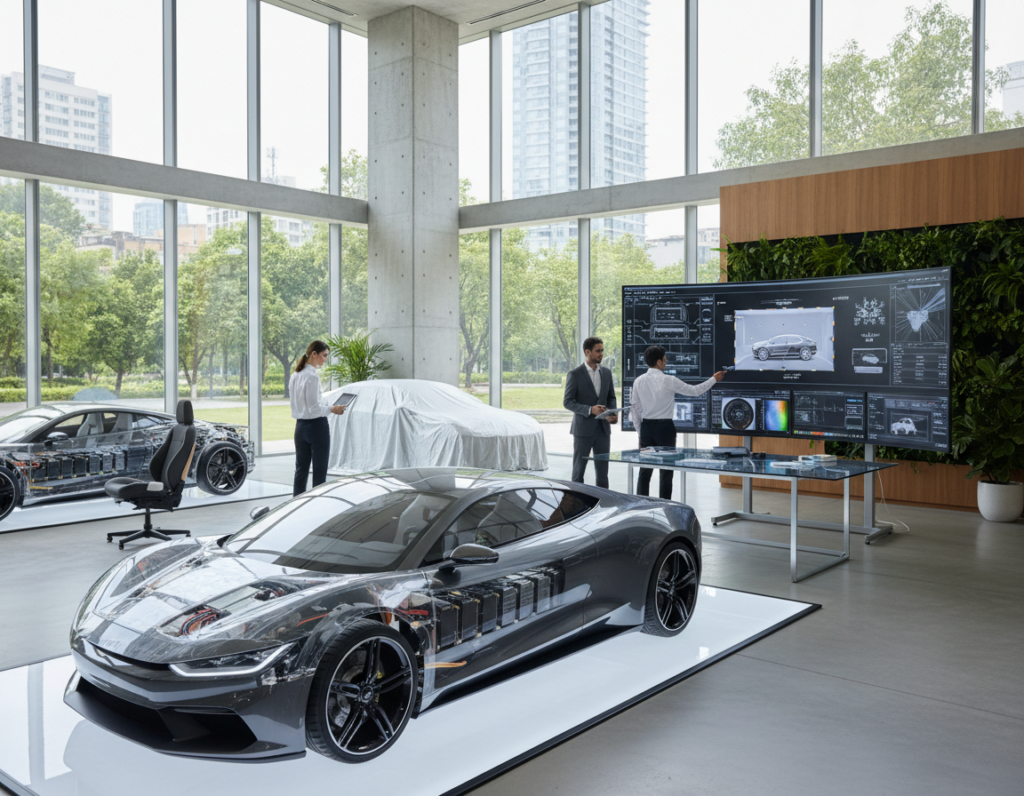
Hazardous-voltage controls, interlocks, and service disconnects
Interlocks and sequencing prevent live contacts during mating and demating. HVIL-style circuits and mate-last/break-first logic remove pack voltage before connectors open, reducing arcing and shock risk.
Insulation, creepage, and clearance targets protect against breakdown. Designers add redundant sensing, clear labeling, and fail-safe contactors so technicians can work with confidence.
Automotive qualification and process expectations
OEMs require AEC-Q qualified parts and suppliers that follow IATF 16949 process controls. These standards ensure repeatable yields and traceable part history during PPAP and production ramp.
Manufacturers collect DVP&R evidence and field data to close loops on quality. Traceable lot codes and serials speed root-cause work when a part trips or fails.
Reliability under stress and how it preserves performance
Vehicles face vibration, thermal cycling, moisture, and corrosion. Connectors need strain relief; contactors use holding margins to resist shock. Thermal headroom and derating keep systems from entering limp modes.
Monitoring and robust management strategies protect battery packs and power modules over years. Following industry whitepapers and supplier data as a source of best practice helps teams translate requirements into test plans.
| Focus | Typical measure | Outcome |
|---|---|---|
| Insulation & creepage | Standardized clearance mm | Reduced flashover risk |
| Component qualification | AEC-Q tests | Proven lifetime |
| Process control | IATF 16949 & PPAP | Traceable production |
| Field feedback | DVP&R closure | Lower returns |
Conclusion
Certainly, every design choice shapes how the whole system performs: cells, converters, inverters, motors, and chargers must work together so the system meets targets on range and drive feel.
strong, OEMs use requirements and trade studies to pick an architecture that fits the U.S. market and available charging sources. Those choices balance battery placement, thermal strategy, and power distribution to meet cost and safety goals.
Look for robust pack thermal design, clear protection and service interlocks, and whether a 400V or 800V path suits intended use. These practical items affect real charging time and durability more than headline specs.
Finally, progress depends on component qualification and manufacturing readiness as much as raw numbers. As charging networks and silicon improve, architectures will diversify—but solid systems engineering remains the constant.